Fellowships
Fellows 2026-2027
Peace, Security Fellowship for Sudanese Women
-
![]()
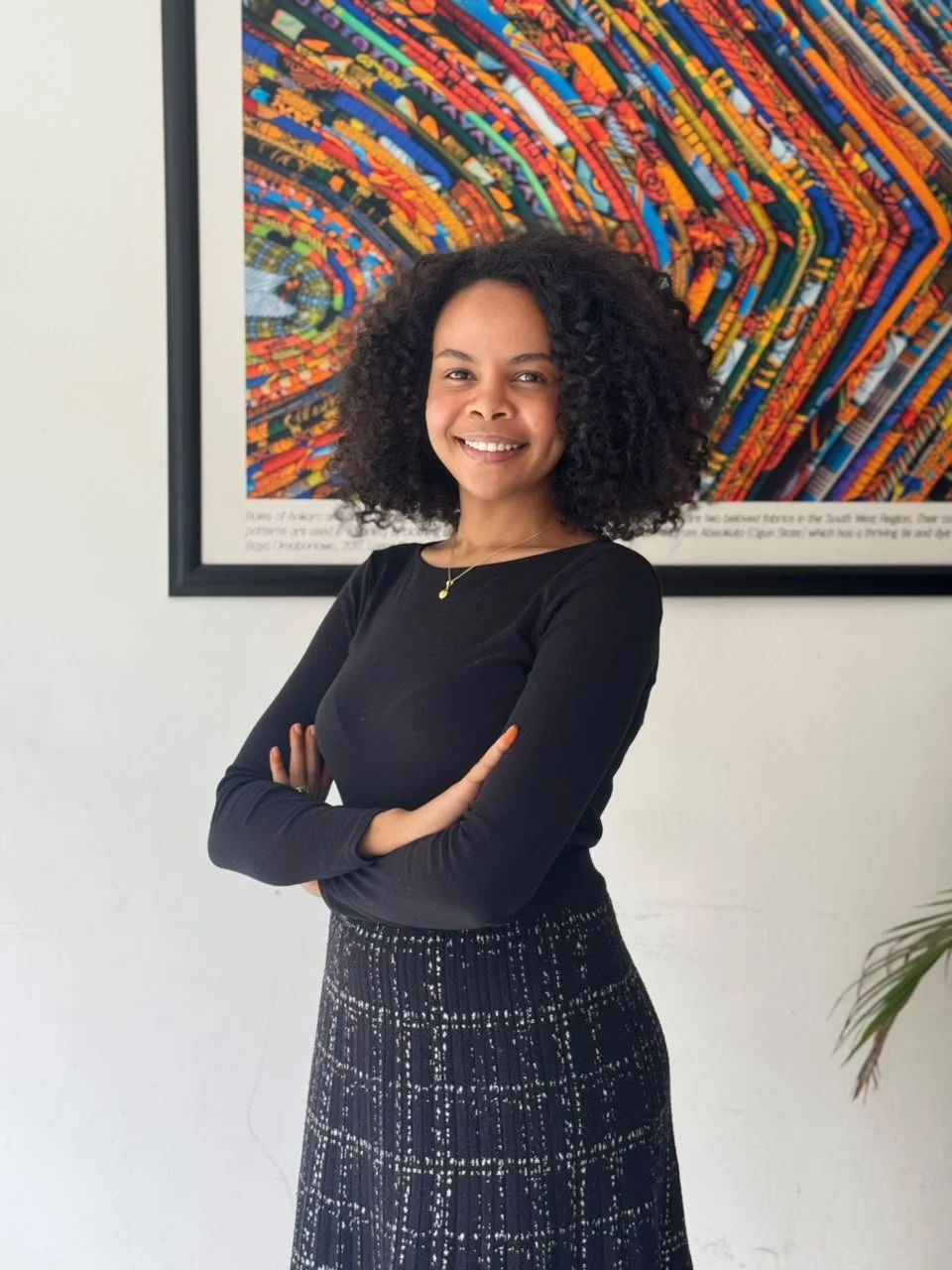
Enass Abdalla
Sudanese
2026–2027 Fellow
Enass Abdalla is a Sudanese practitioner, researcher, and advocate working at the intersection of gender, peace, security, and development, with a particular interest in how power, inequality, and political and economic structures shape the everyday experiences of women in conflict-affected societies.She holds a Master’s degree in International Cooperation and Area Studies from the University of Turin, where her research examined the gendered dimensions of conflict and peacebuilding. Her Master’s thesis, The Gendered Cost of War: Women’s Evolving Roles in Conflict and Peace Negotiations in Darfur, explored how conflict transforms women’s roles, agency, and participation in peace processes. The research included fieldwork in Uganda and contributed to her broader interest in understanding peace beyond formal agreements and institutional approaches.
Enass has worked across research, advocacy, humanitarian action, and international development, including with the International Labour Organization (ILO), the Norwegian Refugee Council (NRC), and the Strategic Initiative for Women in the Horn of Africa (SIHA). Her work has engaged questions of women’s political participation, economic inequality, displacement, peacebuilding, and the Women, Peace and Security agenda.
She is also actively involved in advocacy on Sudan, working to amplify the perspectives and priorities of Sudanese women in regional and international policy spaces. Her broader research interests include feminist approaches to peace and security, the political economy of conflict, locally grounded peacebuilding, and the relationship between gender, power, and development.
Through her research and practice, Enass seeks to contribute to African-led thinking on peace and security that centres lived experience, local knowledge, and women’s agency in shaping more inclusive and transformative approaches to peacebuilding.
-
![]()
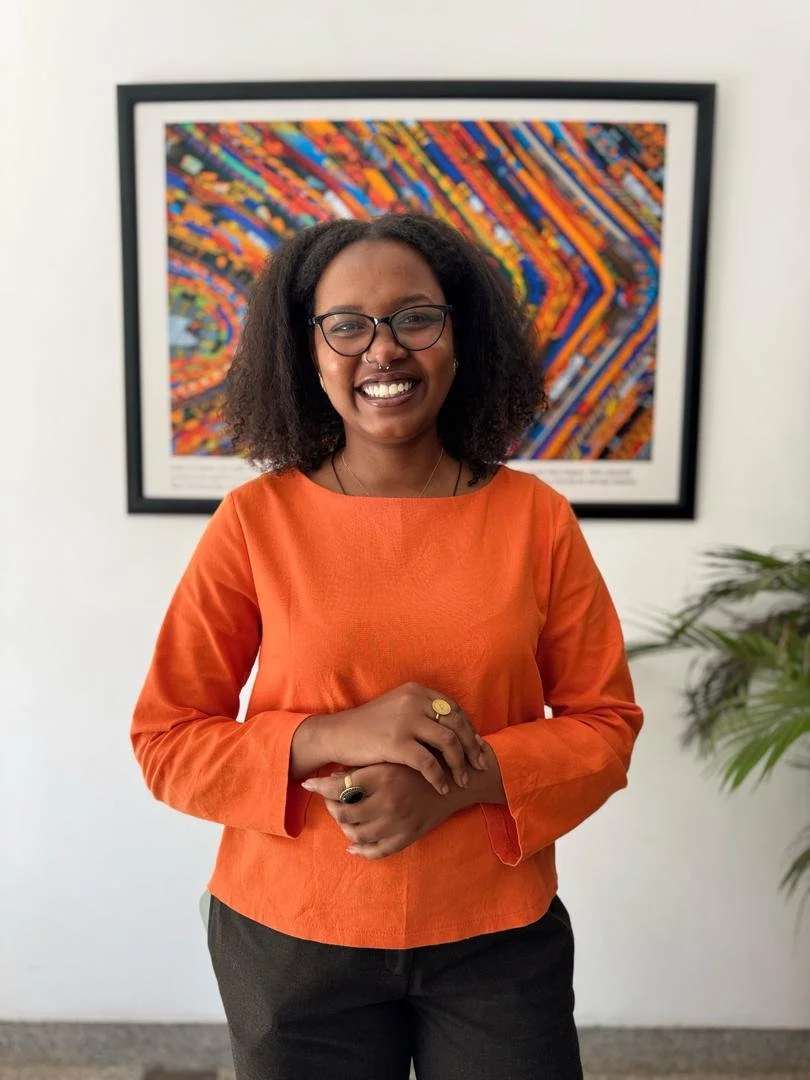
Eman A. Ahmed
Sudanese
2026–2027 FellowEman Ahmed is a Sudanese 2026/27 Peace and Security Fellow at the African Leadership Centre, with a background in humanitarian protection, Women, Peace and Security (WPS), and civil society engagement. She holds a Bachelor of Science in Human Nutrition and Dietetics from the National Ribat University in Khartoum, Sudan, and is deeply committed to advocating for the rights, dignity, and access to justice of survivors of gender-based violence (GBV).
Through her work with Sudanese NGOs and international organisations at field and coordination levels, she has gained first-hand experience that has shaped her interest in how evidence from affected communities can inform policy decisions, institutional responses, and security strategies. She is particularly interested in the gap between policy and implementation, and in how changing conflict dynamics reshape institutions, governance, and security priorities.
As an ALC Fellow, Eman is developing her analytical skills to understand conflict dynamics and assess their implications for peace and security, and to connect field-level realities with broader peace and security processes. She hopes to grow into the spaces where peace processes and policy decisions concerning Sudan and the continent are shaped, contributing to more inclusive and sustainable approaches to peace and security.
Fellowships for African Scholars in Peace, Security and Development
-
![]()
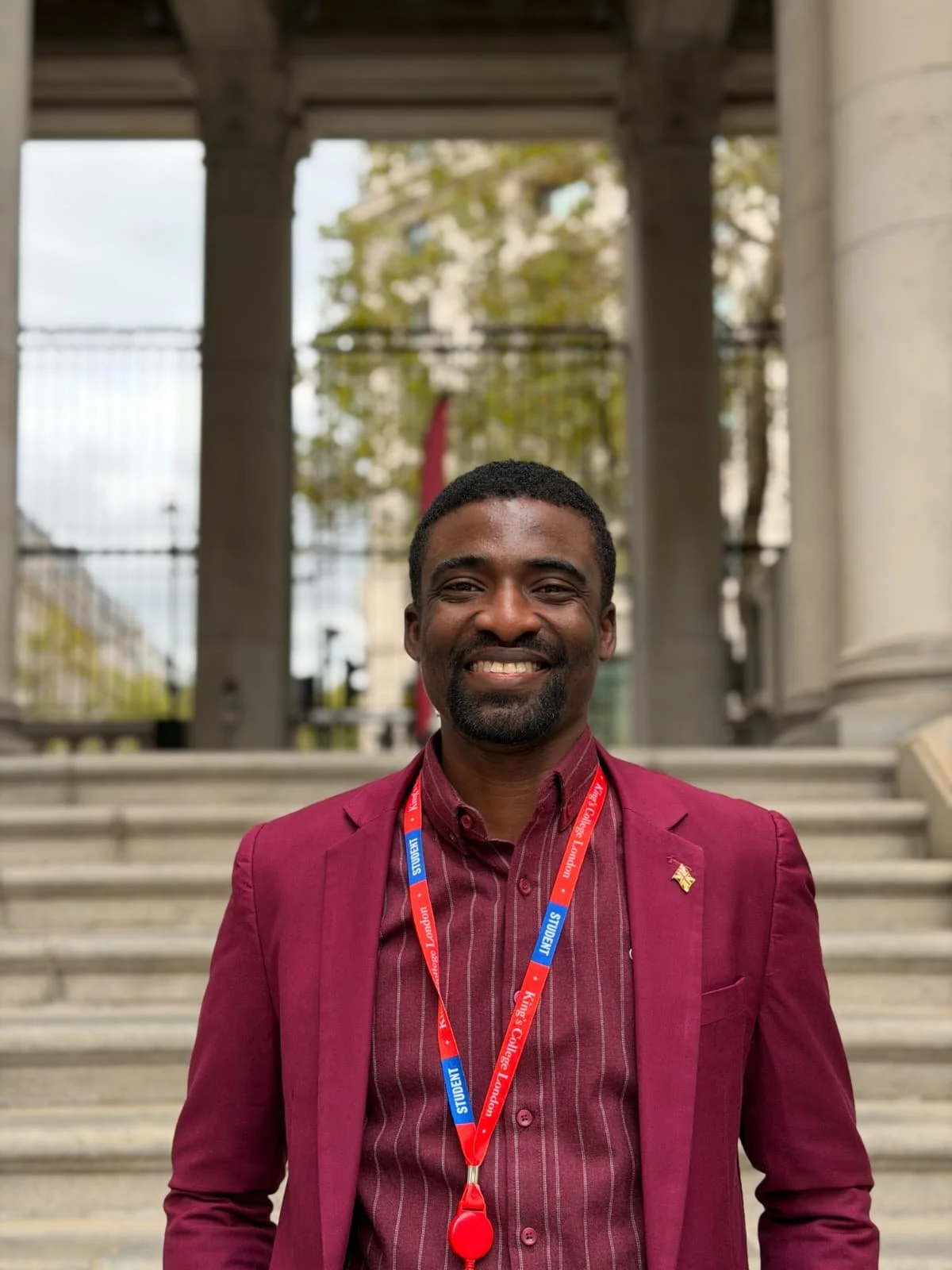
Ezekiel Ephraim
Nigeria
2026–2027 FellowEzekiel Ephraim Pati Osiriehegbe is a Fellow on the Peace, Security and Development Fellowship for African Scholars at the African Leadership Centre (ALC). He holds a Bachelor’s degree in Political Science and Diplomacy from Veritas University, Abuja, Nigeria, and is a Research Fellow at the Institute for Peace and Conflict Resolution (IPCR)-Nigeria, where he has worked for about seven years on issues of conflict prevention, early warning and early response, conflict analysis, conflict monitoring, and security architecture response.
His professional and research experience is grounded in field-based engagement with some of Nigeria’s most conflict-affected regions. He has contributed to research and practice on election observation, grassroots peacebuilding, conflict early warning, and early response, working at the intersection of research, policy, and institutional practice. His work at IPCR has provided him with first-hand experience of the opportunities and limitations of existing conflict prevention systems, particularly as new forms of information disorder increasingly shape the conflict environment.
His current research examines the relationship between AI-amplified electoral disinformation and conflict escalation in Africa, with particular attention to how information disorder interacts with existing political and social vulnerabilities.
Ezekiel will be pursuing the MSc in Global Leadership and Peacebuilding at the African Leadership Centre (ALC)-King’s College London.
-
![]()
Kadidja Ibrahim Seyni
Niger
2026–2027 FellowKadidja is a Nigerien policy analyst, researcher and peacebuilder whose work sits at the intersection of security, gender and youth leadership in the Sahel and francophone West Africa. Fluent in French and English, she bridges two African security conversations that rarely speak to each other. She brings a Sahel insider's perspective to spaces where the region is often discussed without its own voices.
As a policy analyst, she turns complex governance and security questions into rigorous, actionable analysis. Her research, including her thesis "Women Peace Ambassadors: Ghana's Untapped Intelligence Asset," examines how women and informal peace architectures are overlooked in peace, security and counter-extremism efforts.
A social entrepreneur at heart, Kadidja founded Boost Her Niger, recognized as Best Social Enterprise in 2021, and led Ilimi Talks, a TED-inspired platform where young Africans develop innovative, sustainable solutions to their communities' problems. She organized the third edition of TEDxADU under the patronage of Niger's Prime Minister.
Kadidja holds a BBA from African Development University and has pursued an MA in Peace, Security and Intelligence Management at UPSA. As an ALC Fellow, she is now undertaking the MSc in Global Leadership and Peacebuilding at King's College London.
Her ambition is to shape African peace and security policy from within, and to open doors for the next generation of African leaders.
Associate Fellows
-
![]()
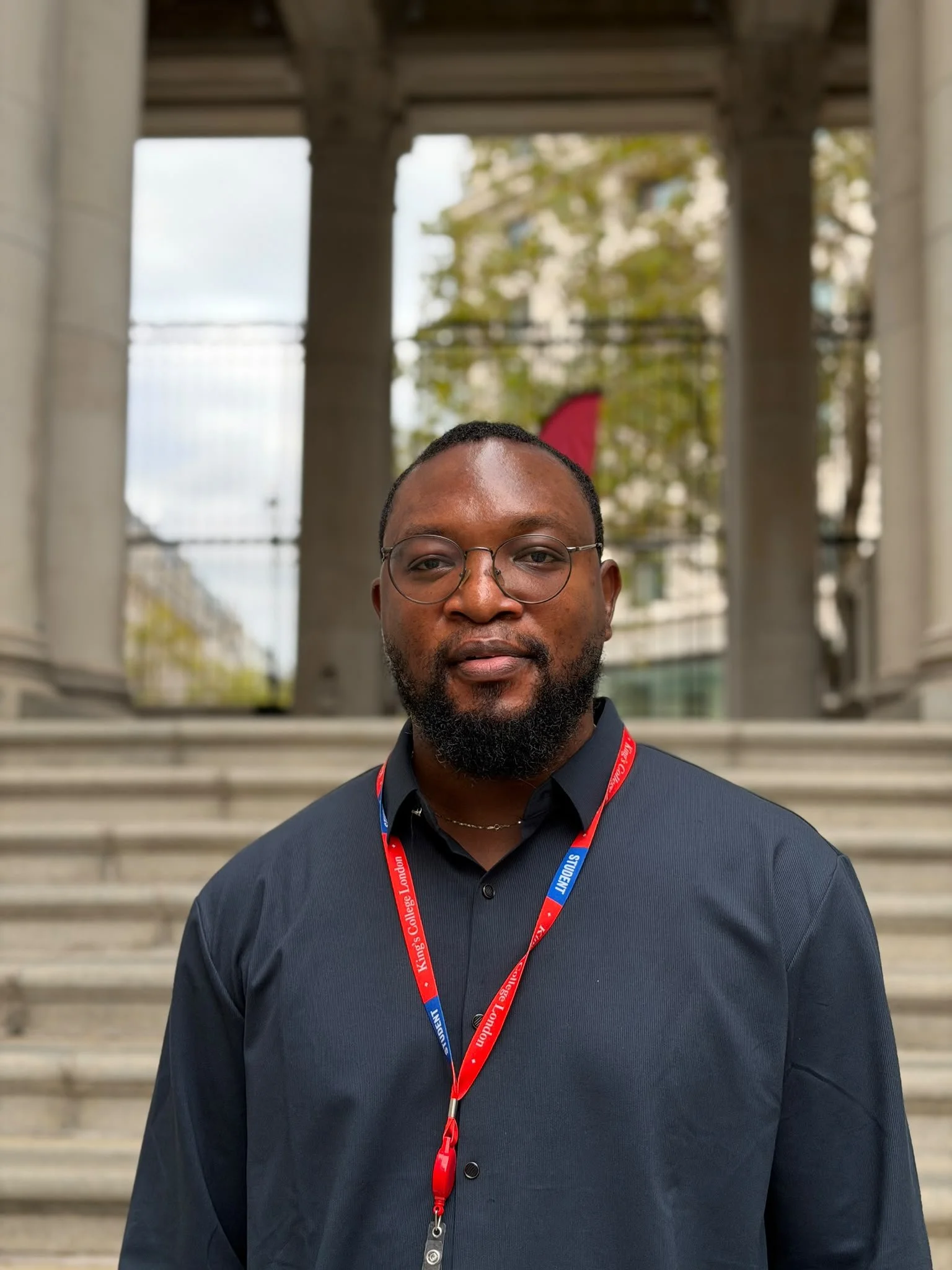
Abraham Selby
Ghana
2026–2027 Fellow
Abraham Selby is a researcher, digital transformation, technology leader, and public policy analyst with over 13 years of experience spanning information technology, digital governance, and internet policy. Born in Ghana where he has been a Lead Facilitator for the Pan African Youth Ambassadors for Internet Governance (PAYAIG), a multi-country initiative training young Africans in internet governance and digital rights across 54 African Countries.As a researcher, Abraham has served as an E-Governance Surveyor for the United Nations Department of Economic and Social Affairs (UNDESA), contributing to the UN E-Government Survey, and as a Research Support and Data Development Member for the Internet Standards, Security and Safety Coalition (IS3C), supporting its Cybersecurity Skills Gap report presented to the UN Internet Governance Forum community. His independent dissertation research at University College London examined digital infrastructure, governance, and innovation across African states, and he has a peer-reviewed publication on encryption and privacy protection in Africa. He holds an MPA from University College London UK, a BSc in ICT from CAUC Ghana, and a certificate in AI and Digital Transformation in Government from Oxford Saïd Business School/UNESCO , alongside a sustained professional engagement with United Nations OHCHR, ICANN, Internet Society, and the Africa Internet Governance Forum.
Abraham has been admitted to the African Leadership Centre's Fellows programme for the MSc in Global Leadership and Peacebuilding at King's College London for the 2026/2027 academic year. This next stage of his research and career is directed at the intersection of digital technology and peacebuilding, examining how emerging technologies, internet governance, and digital infrastructure can be shaped to prevent conflict, strengthen institutional trust, and build resilient, inclusive societies as digital and geopolitical landscapes continue to evolve. He sees this as a natural extension of his work bridging technology, policy, and governance across Africa and beyond.